
Henderson
1647 E Windmill Ln.
Las Vegas, NV
89123
(702) 914-6555

(702) 914-6556
Constipation
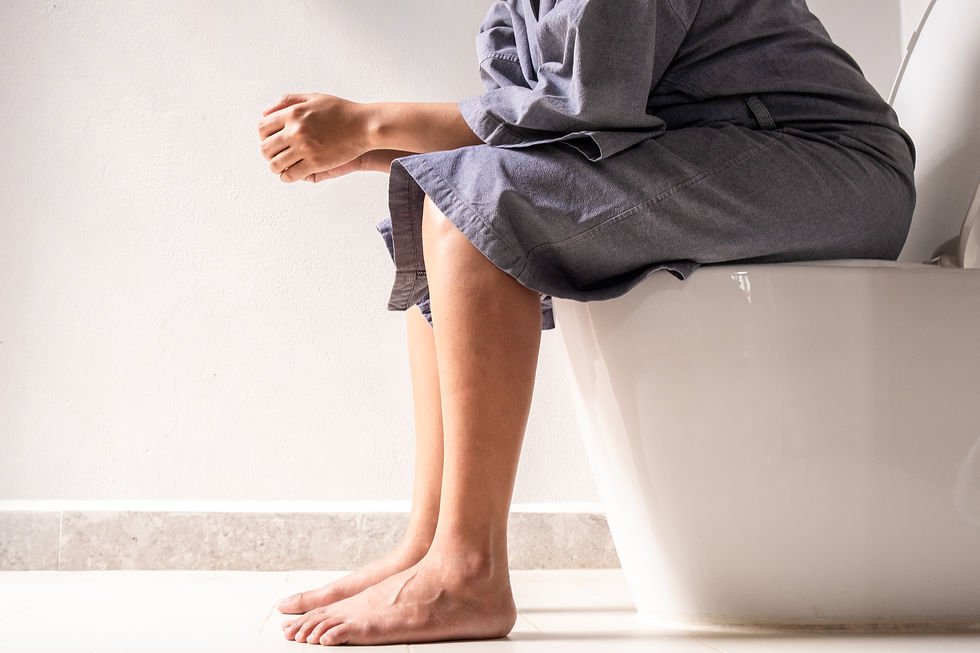
Chronic constipation refers to infrequent bowel movements, hard or lumpy stools, and/or difficulty passing stool.
Symptoms
Constipation symptoms can vary but commonly include:
Fewer than three bowel movements per week
Hard, dry, or lumpy stools
Difficulty or pain when passing stool
A sensation that not all stool has been passed
When Should You See a Doctor?
You should see a doctor if:
Your symptoms persist despite self-care
You have a family history of colon or rectal cancer
Seek immediate medical attention if you experience constipation along with any of the following:
Rectal bleeding
Blood in your stool
Constant abdominal pain
Inability to pass gas
Vomiting
Fever
Lower back pain
Unintentional weight loss
What Causes Constipation?
Constipation can have multiple causes, often occurring at the same time. These include:
1. Slow Movement of Stool
Sluggish transit through the colon
Delayed colon emptying, especially due to pelvic floor disorders (more common in women) or following colon surgery
2. Functional Gastrointestinal Disorders
Conditions like Irritable Bowel Syndrome (IBS)
3. Medications and Dietary Supplements
Certain medications and supplements may lead to or worsen constipation:
Antacids containing aluminum or calcium
Anticholinergics and antispasmodics
Anticonvulsants (for seizures)
Calcium channel blockers
Diuretics
Iron supplements
Medications for Parkinson’s disease
Narcotic pain relievers
Some antidepressants
4. Lifestyle and Routine Changes
Changes in your daily routine can impact bowel movements:
Pregnancy
Aging
Travel
Ignoring the urge to have a bowel movement
Changes in medications
Changes in diet
5. Health and Nutrition Factors
Low fiber intake
Dehydration or insufficient fluid intake
Lack of physical activity
Celiac disease
Neurological conditions (e.g., Parkinson’s disease)
Spinal cord or brain injuries
Metabolic conditions (e.g., diabetes)
Hormonal imbalances (e.g., hypothyroidism)
Inflammation from diverticular disease or proctitis
Intestinal blockages (e.g., anorectal obstruction, tumors)
Structural abnormalities in the digestive tract
Important Reminder: This information is intended only to provide general guidance. It does not provide definitive medical advice. It is very important that you consult your doctor about your specific condition.